
Rebekah Simmers has been interviewing writers who are presenting at the HNS 2024 UK Conference
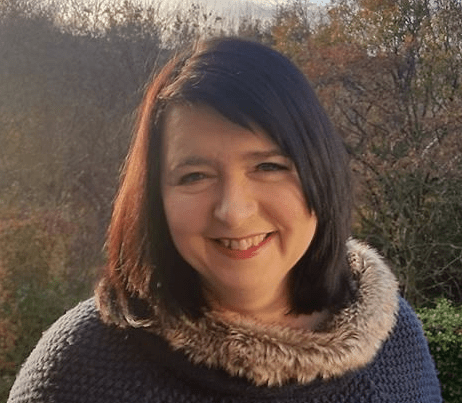
RS: We are thrilled that you will be joining us for the HNS 2024 UK Conference! Can you share a teaser for your presentation?
HS: Alongside Christine Mackie, our session will focus on three audiobooks inspired by several seventeenth-century witch trials that took place in the north east of England, including the little-known Newcastle witch trials where fifteen women and one man were executed on a single August day for witchcraft.
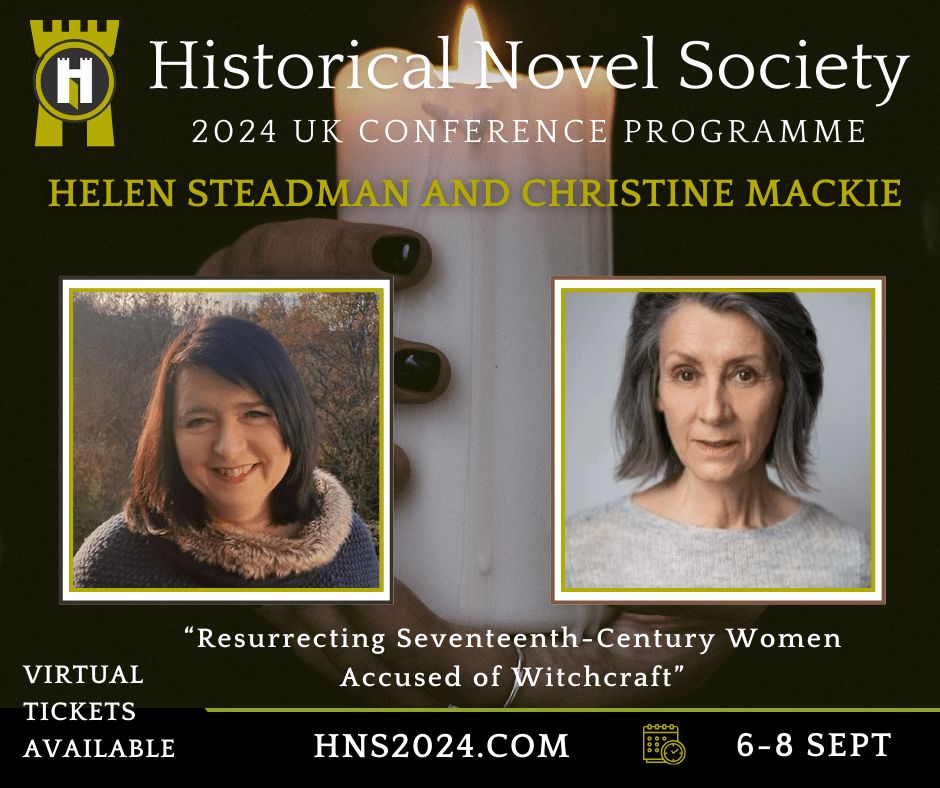
Helen Steadman is presenting on “Resurrecting Seventeenth-Century Women Accused of Witchcraft” at the HNS 2024 UK Conference, with Christine Mackie.
HNS has launched the First Chapters Competition with the conference. What is a novel you’ve read over your life that unexpectedly grabbed you from the opening lines and whose words stayed with you?
The Illywhacker by Peter Carey. I read an excerpt in a magazine in a doctor’s waiting room, and as soon as I could afford it, bought a copy. I’d just started to think about writing, and it was such an amazing book that I put my pen down for a couple of decades, despondent that I’d never be able to write anything so brilliant.
What would you say was the most influential writing advice you received from another author? How have you made that work for you?
During a Guardian webchat, I learned that it took Peter Carey ten years and four novels before The Fat Man in History was published, and he kindly recommended Ted Solotaroff’s essay, ‘Ten Years in the Cold’ on the topic.
Sherry Ashworth advised me to give myself permission to step away from the truth. Writing historical novels based on real events, I want to be faithful to what happened, but sometimes real life creates too many constraints. Sherry said this advice had been given to her by another author (not named).
Of the wide cast of characters in your novels, who has been your most challenging character to write?
John Sharpe, the witchfinder in Widdershins and Sunwise, was the most challenging character to write (I doubt this will surprise anyone) because having such an unpleasant character brewing in my head for so many years weighed on me quite heavily. Because the identity of the Scottish witchfinder (to date) is not known, I had something of a free hand with him. I was very interested in exploring whether monsters were born or made and whether I could take a likeable boy and turn him into a monster because of his circumstances.
What do you think it takes to have longevity across a writing career?
Perseverance and a thick hide (or a willingness to develop one).
Where do you begin your research?
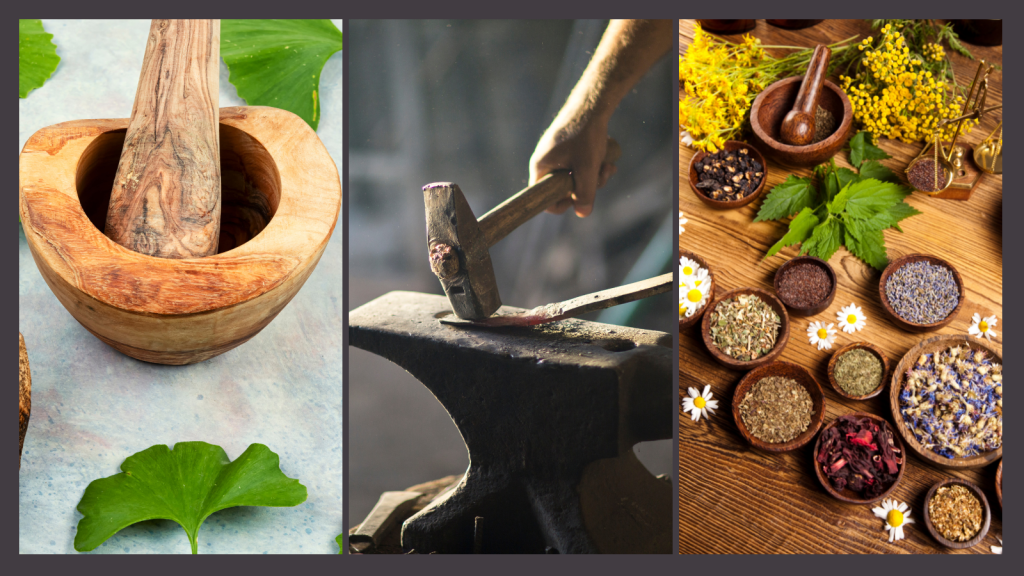
I like to get under the skin of my historical characters by doing some of the things they might have done. For instance, as part of my research for my witch trials trilogy, I learned about tree medicine – how to identify trees, harvest bark, leaves, flowers and berries and make them into herbal remedies – and I spent some time practising. Of course, I’m aware that only a relatively small percentage of women accused of witchcraft were involved in healing, but I wanted to give my women interesting work. For The Running Wolf – about the Shotley Bridge swordmakers – I trained as a blacksmith and made my own sword. Otherwise, I like to dig into the archives, go on location, pore over maps and read all the non-fiction books from the time/place that I can lay my hands on.
How do you organise your story details across your series?
I don’t. My trilogy was never intended to be a trilogy. (I wrote Widdershins as a standalone, and Sunwise was an accidental sequel written while I should have been writing The Running Wolf. The final part of the trilogy, Solstice, came along when I should have been writing about Grace Darling and Aphrodite.) I kept the details in my head and did a lot of re-reading to check. I realise this isn’t a very efficient method…
Is there a character that was a favorite to write?
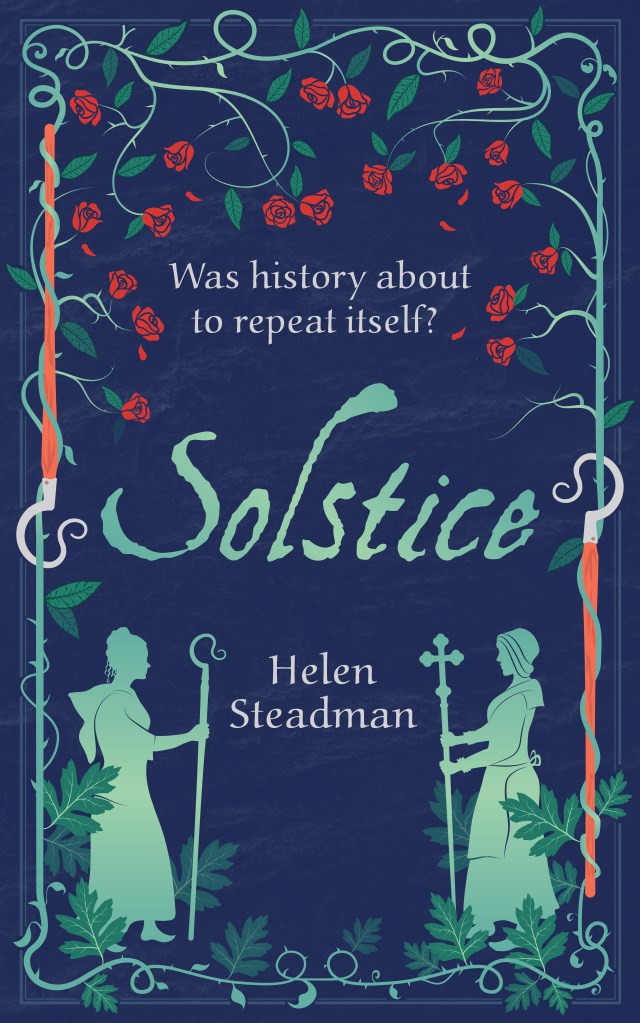
I enjoyed writing Patience Leaton in my latest book, Solstice. My female characters have generally been virtuous women, so it made a pleasant change to write a villain.
If you could witness a historical event, which would you choose?
I’d like to see the creation of the universe, so I could see who or what made it, and then ask them who or what made them, and so on…
What three books are necessary for any book collection to feel complete? What additional one would you add for an author’s library?
- 1984, George Orwell
- Wolf Hall, Hilary Mantel
- The Shipping News, Annie Proulx
- Oxford English Dictionary
What are you writing now?
My next book will hopefully be about Grace Darling, the Northumbrian lighthouse keeper’s daughter who was involved in the rescue of survivors from the SS Forfarshire in 1838. I’ve been working on this for close to a decade now, and would like to see it in print before the ten-year anniversary passes.
What was the last great book that you read?
Hard to choose only one, so I’m going to mention three: Trust (Hernan Diaz), The Night Watchman (Louise Erdich) and Libra, Don de Lillo.
Online tickets for the conference are available:
https://historicalnovelsocietyuk.regfox.com/online
Rebekah Simmers is a member of the HNS UK 2024 conference organisation
 The Historical Novel Society UK 2024 conference
Leave a comment