
Rebekah Simmers has been interviewing writers who are presenting at the HNS 2024 UK Conference
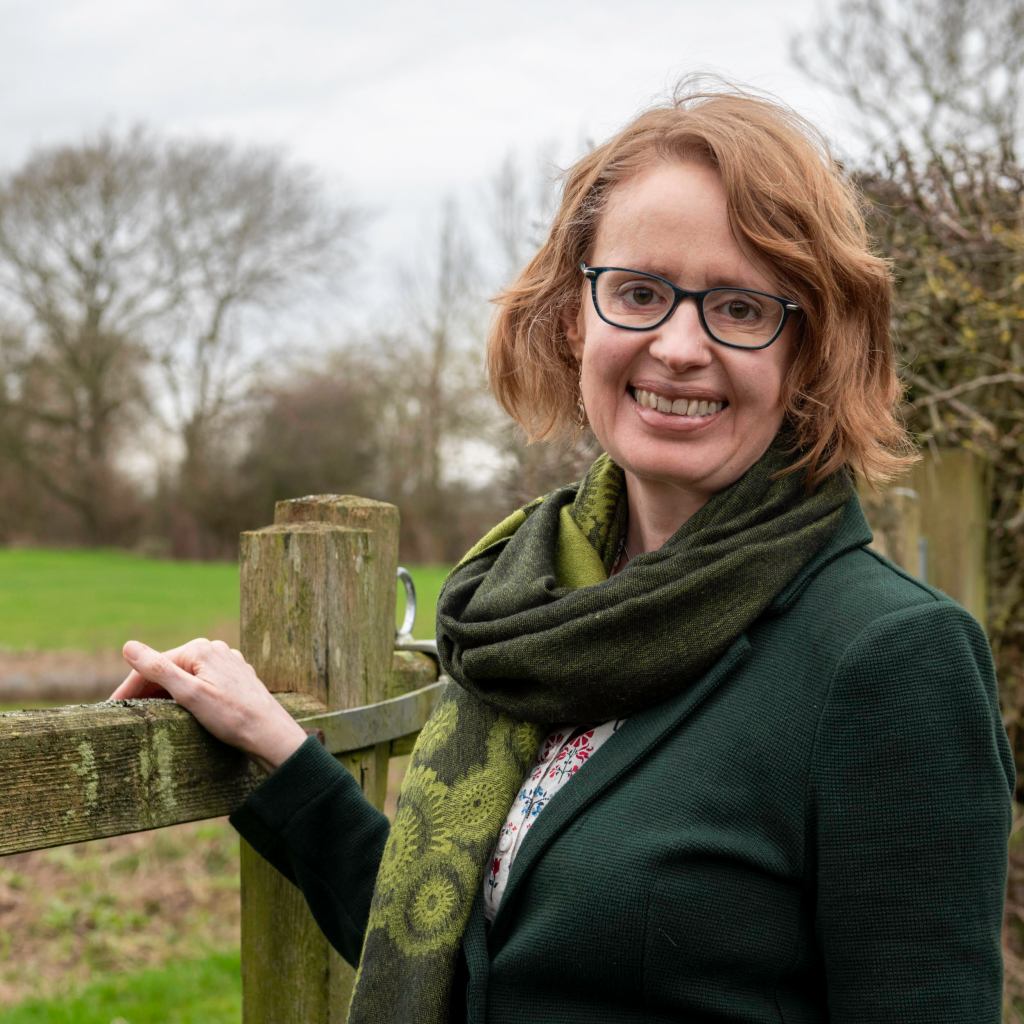

RS: We are so thrilled that you will be joining us for the HNS 2024 UK Conference! What are you looking forward to about the conference? Can you share a teaser for your presentation?
AW: I’m really looking forward to meeting up with other historical fiction writers again. I love the collegiate feeling of HNS conferences as people share their passion for history as well as their love of writing. I’m very excited to hear Diana Gabaldon’s speak. I love the Outlander books and the way they merge genres. I’m also looking forward to staying at Dartington, which looks very atmospheric. A perfect place for a meeting of historical fiction authors!
My presentation is called ‘Voices from the Past: How to Write Dialogue in Historical Fiction’. Lots of writers struggle with writing dialogue and find it one of the hardest skills to master. For historical fiction authors, there’s the additional challenge of writing dialogue that is appropriate for the period. I’ve struggled with this and found myself deep in the usage section of dictionaries to find out if a particular word was in use at that time. It’s not helped in my case, as I’ve got English and American characters and I wanted to make sure their dialogue was appropriate to their nationality as well as the time period.
In my presentation we’ll look at tips for writing good dialogue that apply to all authors and then delve into the particular challenges that historical fiction writers face. It will be practical and interactive so bring a pen and notebook and be prepared to write.

Alex Weston is presenting ‘Voices from the Past: How to Write Dialogue in Historical Fiction’ at the HNS 2024 UK Conference
HNS has launched the First Chapters Competition with the conference. What is a novel you’ve read over your life that unexpectedly grabbed you from the opening lines and whose words stayed with you?
I’ve thought long and hard about this one as the books I love and come back to time and again don’t necessarily have first lines that grab you. I’ve finally settled on The Game of Kings by Dorothy Dunnett, which starts ‘”Lymond is back”.’ I had no idea who Lymond was or why he’d returned but I instantly knew he was important. That opening pulls the reader into the world of the Lymond Chronicles, which is complex and vivid and utterly compelling. It’s historical fiction on a huge and magnificent scale and I loved it.
If you’ve not read The Game of Kings I highly recommend it but be prepared for feeling somewhat confused for at least half the book. Dunnett introduces a huge number of characters, many of whom are referred to interchangeably by title and name. You just need to trust that once all of the pieces fall into place, you’ll be totally hooked.
Looking back on your own writing career, what would you say was the most influential writing advice you received from another author? How have you made that work for you?
This didn’t come from an author but from one of my MA tutors but I’ve decided to use it as it fits the theme of this year’s conference. My tutor told me about a piece of scriptwriting advice known as “Come in late, get out early.” It’s from acclaimed script writer William Goldman who wrote the script to Butch Cassidy and the Sundance Kid. He also wrote The Princess Bride, which is a book I love. The full quote from William Goldman is “I never enter scenes until the last possible moment… and as soon as it’s done I get the hell out of there.”
Learning this taught me to tighten up each scene and to cut out the waffle. It gave me the confidence to cut a scene down to the bone and know it would work better because of that. Once you know about this piece of advice, you can see it used by TV and radio script writers all the time. I’ve passed William Goldman’s words on to people I’ve taught and it’s amazing, seeing how it can change their writing.

Of the wide cast of characters in your novels, who has been your most surprisingly challenging character to write? Why? What strategies did you / do you use for these types of characters?
I found Aidan Neil in The Hollywood Governess difficult to write. He’s a film star in 1930s Hollywood. He has wealth, privilege and status. I found it difficult to get behind all of that and find the man within. In my early drafts of the book, Aidan was too aloof and came over as a bit cold. One of the themes of the book is grief and while I was rewriting it, my mum passed away. My own extremely painful experience of grief allowed me to understand Aidan’s emotions more deeply. I’ve learned to draw on my own experiences when I’m writing and not to be scared of that emotional intensity. It’s been a big shift from writing my fantasy novels, which are more plot driven.
What do you think it takes to have longevity across a writing career? Sanity? Fun? What’s an unexpected joy that came into your life from such a successful career?
In my experience determination is the key thing you need. My writing career has been a pretty rocky road so far and, at times, it’s needed a lot of determination to keep going. For me, the unexpected joy has been meeting other writers. I’ve met such a wonderful group of incredible people through writing and I’m very grateful for that.
Where do you typically begin your research? Do you have a go-to resource? Has there been anything that you’ve researched for your writing over the years that made a huge impact on you or a novel or series that you were writing? That changed how you write or what you write?
I begin my research with a spree of book buying. ‘Yes,’ I say to my partner as yet another book drops through the letterbox, ‘I do need all of them’. I then read as much of those books as I feel I need to in order to get to grips with the subject. While I was researching The Hollywood Governess I came across a huge amount of information about Golden Age Hollywood, far more than I could possibly use in that one book. I’m using some of it for the book I’m working on now which is set in Hollywood in the 1950s and there may be other Hollywood stories in the future.
Is there a specific scene that you’ve written over the years that you feel especially connected to? If not a specific scene, a secondary story line that was a favorite to write?
There’s a fairly early scene in The Hollywood Governess when Hester, my female main character has to take a taxi ride across New York. For reasons I won’t explain now, this triggers a panic attack (although it wouldn’t have had that label in 1937 when the book was set). I have experienced panic attacks (although my triggers are different to Hester’s) and it felt very important to be honest about the way it feels and to get that down on the page. I hope any readers who have been through something similar feel that their experience is represented too. I wanted to make it clear in the book how much courage it takes to face these kinds of trauma and go on with your life.
As a historical writer, if you could stand witness to a historical event or walk through a specific time / scene / building or have a frank discussion with one historical figure, which would you choose and why?
Due to my obsession with Hollywood, I’d probably choose to go to one of the major studios, say RKO, during the 1930s. It would be wonderful to experience what was happening on a studio lot during the Golden Age of Hollywood. I’ve studied photographs of them but to see the sound stages, prop and costume departments and sets would be incredible. I’d like to wander around the lot and see what was going on. I might watch Fred Astaire and Ginger Rogers performing a dance sequence on a sound stage or spot Cary Grant, Katharine Hepburn and a leopard as they filmed Bringing Up Baby. The studios look like intoxicating places to work and, from what I’ve read, there was a real camaraderie between everyone involved in the early days of Hollywood.
What three books do you feel are necessary for any book collection to feel complete? What additional one would you add for an author’s library?
Gosh, this is a very difficult question. I can only answer for myself and list the books I can’t live without which are:
- Persuasion by Jane Austen
- Gaudy Night by Dorothy L. Sayers
- Writing Down the Bones by Natalie Goldberg (which is a book about writing but is also a book about being a human being).
- My go-to writing book is Into the Woods by John Yorke which I recommend to everyone I teach. It’s about how stories work and why we tell them. It’s incredibly insightful on story structure and, if I’ve got a structure problem, this is the book I pick up first.
What can you share about what you are writing now? Or an upcoming release?
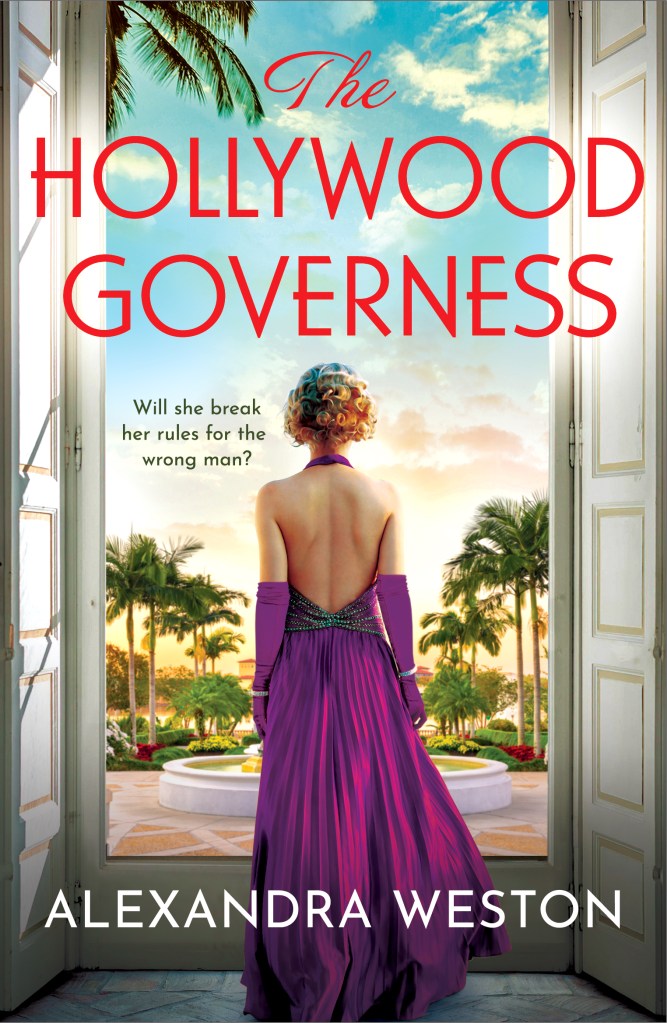
I’m currently working on the follow-up to The Hollywood Governess, which is set in 1950s Hollywood. The germ of the idea for it came when I read about Rock Hudson marrying his agent’s secretary to hide his sexuality. The novel looks at the story from the woman’s perspective and asks what happens when she gets tired of living a lie to protect his career. I’m having a wonderful time researching 1950s America and Hollywood in that period.
What was the last great book that you read?
Hester by Laurie Lico Albanese. I absolutely loved this book. It’s set in Salem in the early 19th century. It’s beautifully written, the female protagonist is incredibly strong and it has a wonderful thread of magic running through it.
Online tickets for the conference are available:
https://historicalnovelsocietyuk.regfox.com/online
Rebekah Simmers is a member of the HNS UK 2024 conference organisation team. Find out about her novel, The King’s Sword, on her website.
 The Historical Novel Society UK 2024 conference
Leave a comment