
Rebekah Simmers has been interviewing writers who are presenting at the HNS 2024 UK Conference

RS: We are so thrilled that you will be joining us for the HNS 2024 UK Conference! What are you looking forward to about the conference? Can you share a teaser for your presentation?
RG: You’ll be surprised! The people who created Dartington and its stunning gardens have many stories to tell.
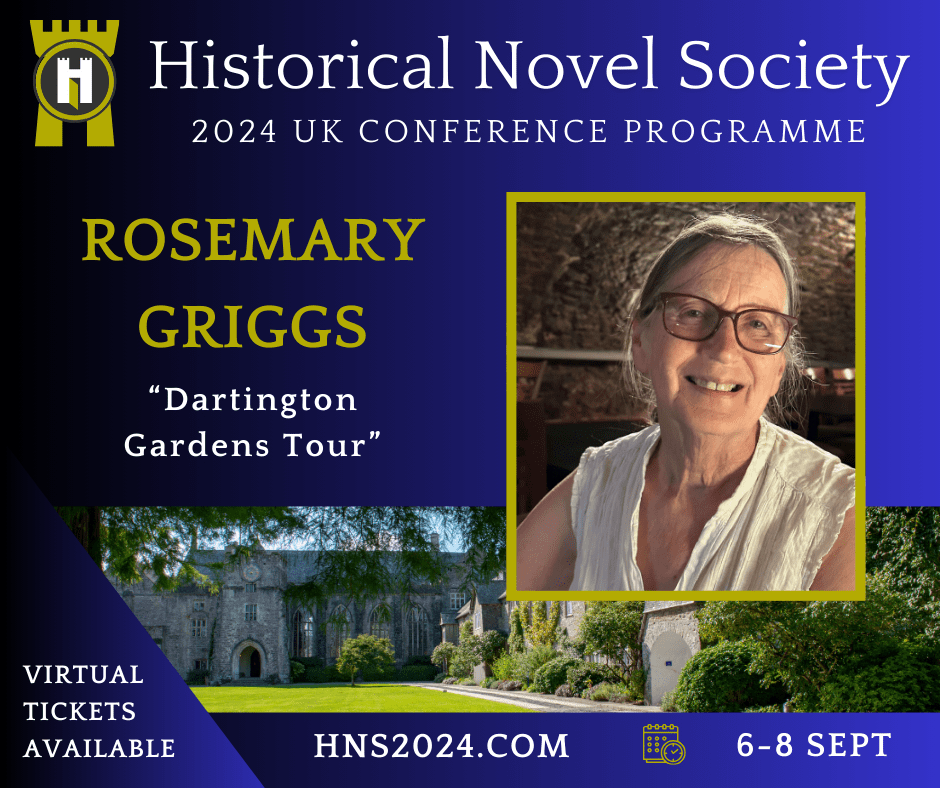
Rosemary Griggs is leading the “Dartington Gardens Tours” at the HNS 2024 UK Conference
HNS has launched the First Chapters Competition with the conference. What is a novel you’ve read over your life that unexpectedly grabbed you from the opening lines and whose words stayed with you?
The first line of Dissolution by CJ Sansom, “I was in Surrey on business for Lord Cromwell’s office when the summons arrived,” had me hooked.
Rosemary – you’re leading the Garden Tour at Dartington Hall. For those who can’t make that, can you please share one of your favorite aspects of the garden?
I love the way the gardens at Dartington Hall wrap around the grey stone walls of John Holland’s 14th-century hall. Wonderful views and vistas created by a stellar list of 20th-century garden designers give shape to the gardens now. Yet hidden glimpses of a more distant past remain, just waiting to be discovered. I often sense the women who have wandered this place before me, whether it be near the holy well or beneath the yew tree that was ancient when St. Mary’s Tower was new.
Looking back on your own writing career, what would you say was the most influential writing advice you received from another author? How have you made that work for you?
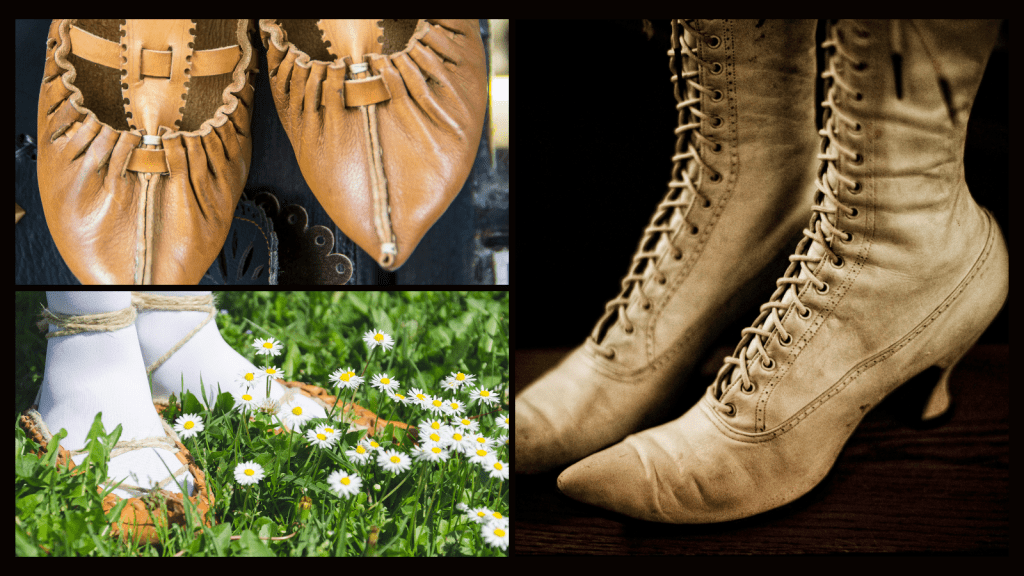
Alison Weir’s advice: use imagination to fill in any gaps in the historical record, but keep it plausible. Appraise your subjects in the context of their own age, not this one. My costume work helps me so much in understanding the 16th-century world — I walk in their shoes in the places they knew.
Of the wide cast of characters in your novels, who has been your most surprisingly challenging character to write? Why? What strategies did you / do you use for these types of characters?
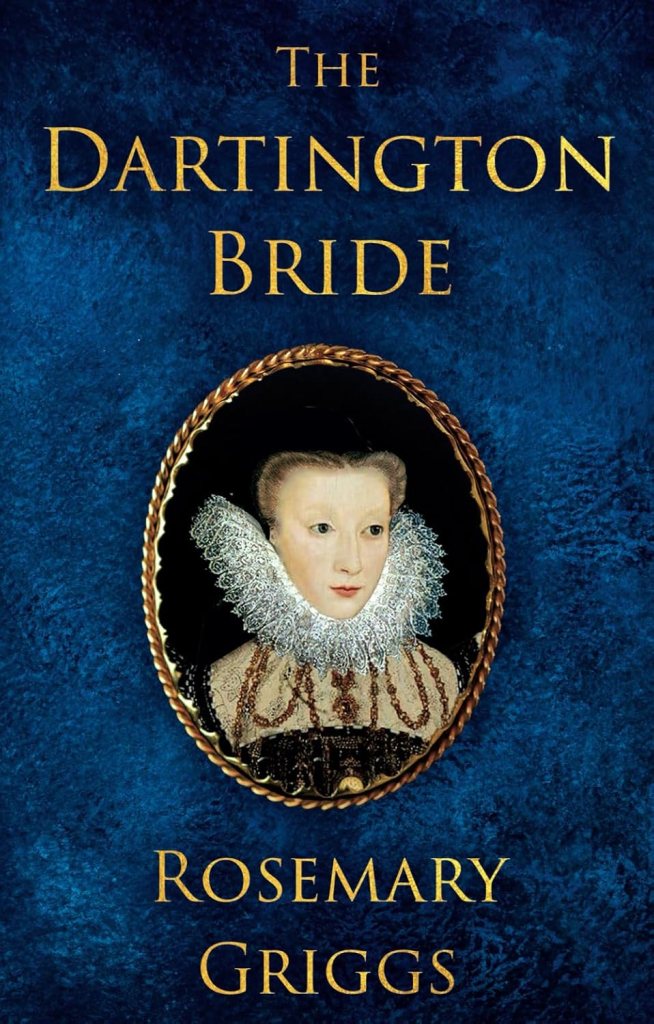
The historical record has not shown Gawen Champernowne (from my latest novel The Dartington Bride) in a good light. My challenge has been to stay true to history without creating a ‘pantomime’ villain.
What do you think it takes to have longevity across a writing career? Sanity? Fun? What’s an unexpected joy that came into your life from such a successful career?
I think the key to lasting success as an author is maintaining the passion and determination to tell stories in your own voice.
Where do you typically begin your research? Do you have a go-to resource? Has there been anything that you’ve researched for your writing over the years that made a huge impact on you or a novel or series that you were writing? That changed how you write or what you write?
Wherever possible I go back to original sources. You’ll often find me poring over wills and land transactions in the Devon archives where the Champernowne papers have proven incredibly helpful. But it was in my wider reading that I found the story I wanted to tell in my last novel. It was a revelation to discover that a book on Elizabethan rhetoric used the deposition made by one of the witnesses at a scandalous case before the Exeter Church Consistory Court as an example of ‘a carefully constructed narrative delivered in such a way as to be convincing’ (Elizabethan Rhetoric Theory and Practice by Peter Mack, Cambridge University Press).
How do you organize your story details across your series?
My research gives me a few milestone’s in my characters’ lives, and sometimes a few clues as to their personalities. Using my wider research into the times they lived in to enrich the story, I then weave the plot. It’s an iterative process.
Is there a specific scene that you’ve written over the years that you feel especially connected to? If not a specific scene, a secondary story line that was a favorite to write?
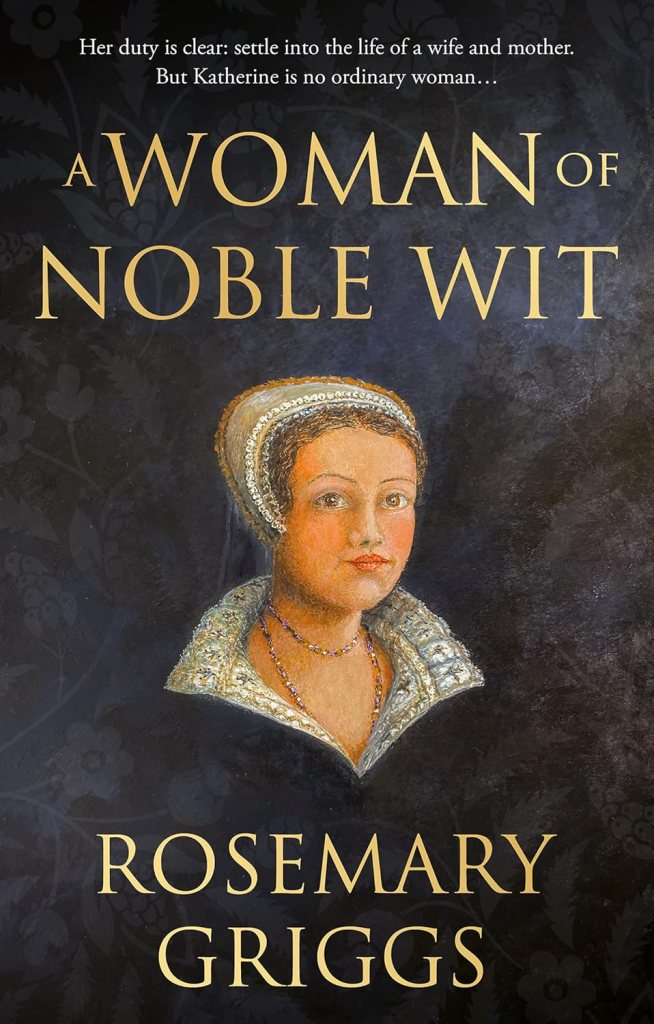
Many of Sir Walter Raleigh’s biographers conclude that his second marriage was a love match. So Katherine’s first meeting with Walter Raleigh senior had to be at the heart of A Woman of Noble Wit. Their meeting onboard ship, and the scene in the garden where he declares his love still bring tears to my eyes.
As a historical writer, if you could stand witness to a historical event or walk through a specific time / scene / building or have a frank discussion with one historical figure, which would you choose and why?
I’d love to be present when the ‘other’ Katherine Champernowne, the woman known to many as Kat Ashley, was interrogated at the Tower of London. Elizabeth was in such peril during the investigations into the Thomas Seymour affair. I’d love to ask Kat what really happened.
What three books do you feel are necessary for any book collection to feel complete? What additional one would you add for an author’s library?
I hate being prescriptive for others. These three have been incredibly powerful for me: Thomas Hardy – Far from the Madding Crowd; Charles Dickens – A Tale of Two Cities; Charlotte Brontë – Wuthering Heights. For historical fiction authors I would add Hilary Mantel’s Wolf Hall trilogy.
What can you share about what you are writing now? Or an upcoming release?
I’m currently working on the sequel to The Dartington Bride, which will take Roberda and the Champernownes of Dartington though the Spanish Armada. Alongside that I’m researching Kat Ashley for my next project.
What was the last great book that you read?
Anthony Horowitz’s Magpie Murders.
Online tickets for the conference are available:
https://historicalnovelsocietyuk.regfox.com/online
Rebekah Simmers is a member of the HNS UK 2024 conference organisation team. Find out about her novel, The King’s Sword, on her website.
 The Historical Novel Society UK 2024 conference
Leave a comment