
Rebekah Simmers has been interviewing writers who are presenting at the HNS 2024 UK Conference
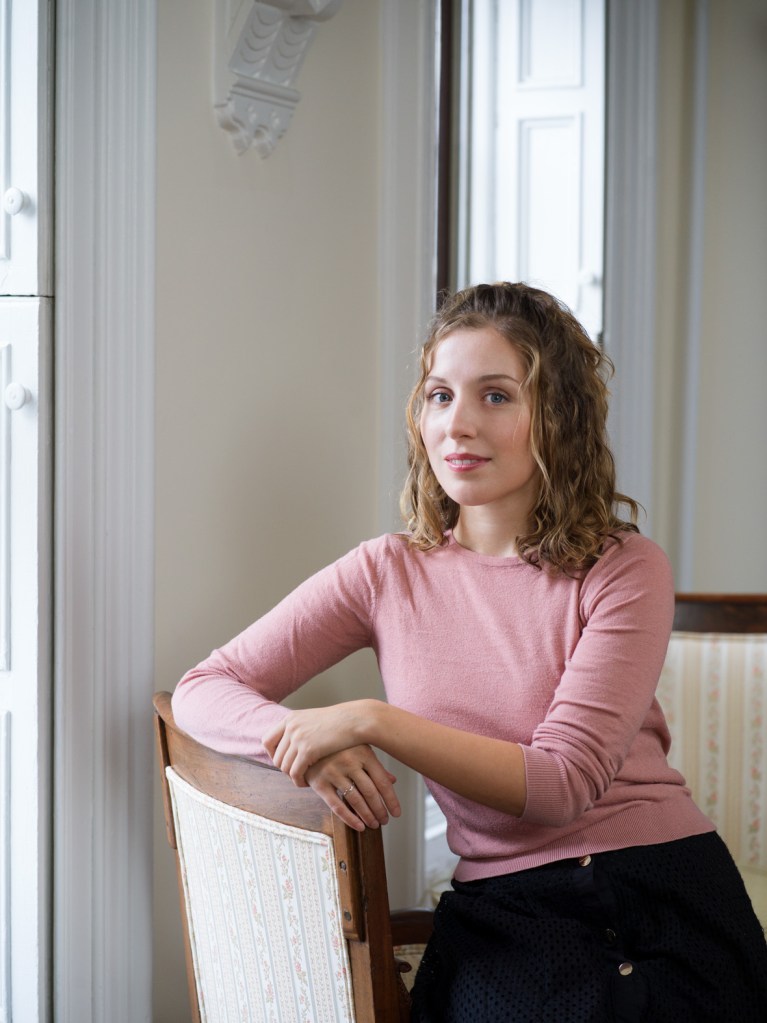
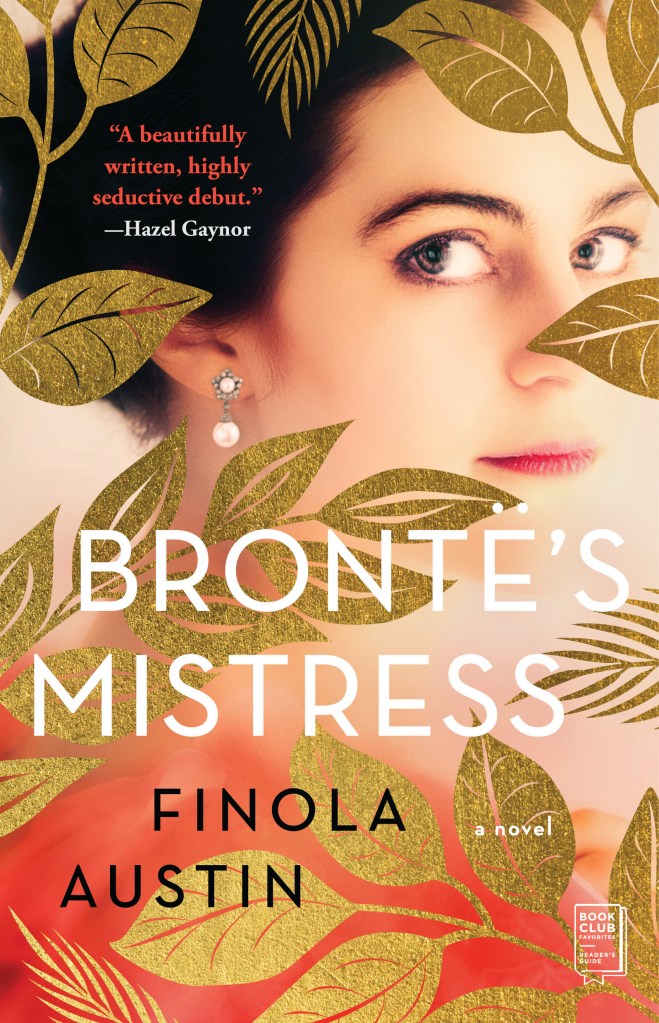
RS: We are so thrilled that you will be joining us for the HNS 2024 UK Conference! What are you looking forward to about the conference? Can you share a teaser for your presentation?
FA: I can’t wait! I’m looking forward to reconnecting with author friends and making new ones, hearing from greats in the genre like Bernard Cornwell and Diana Gabaldon, and staying at the beautiful Dartington Hall.
During our panel you can look forward to fellow historical fiction authors, Kris Waldherr, Heather Webb and I talking about writing as adaption—how as historical novelists, we’re never really inventing from nothing, or starting from a blank page. Instead we’re engaging in a dialogue with other writers and artists that sometimes extends across centuries.
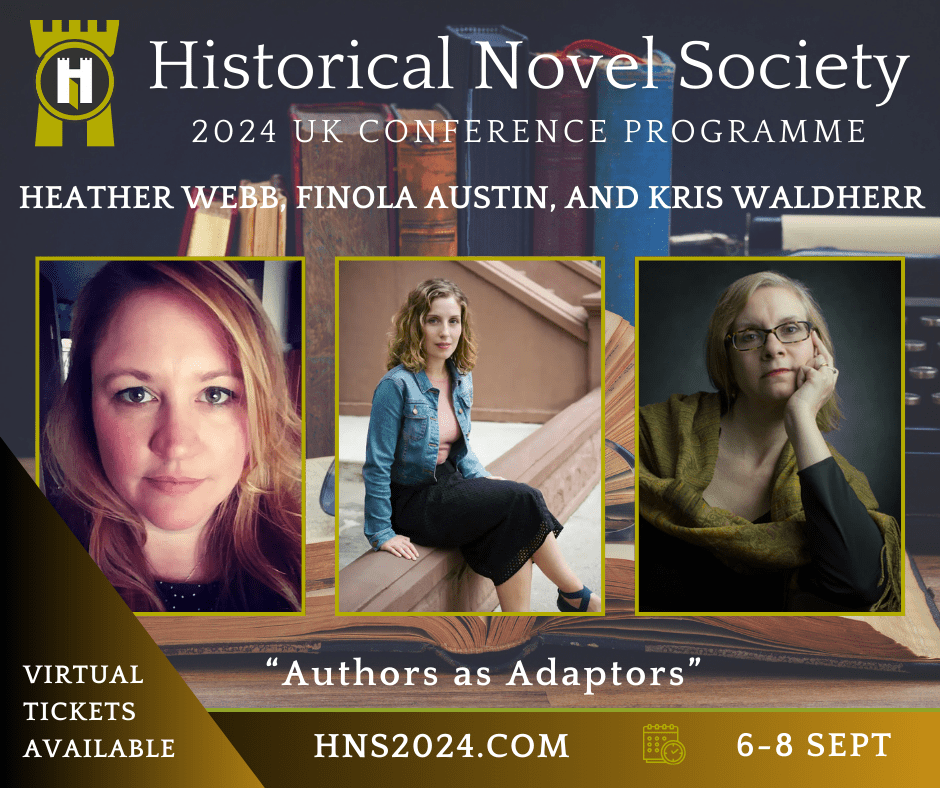
Finola Austin is presenting “Authors as Adaptors”, along with Heather Webb and Kris Waldherr, at the HNS 2024 UK Conference
HNS has launched the First Chapters Competition with the conference. What is a novel you’ve read over your life that unexpectedly grabbed you from the opening lines and whose words stayed with you?
I like my historical fiction gritty and realistic rather than sanitised and I enjoy being plunged into these new realities from the very first page.
Two examples that stick with me are the violent opening of Hilary Mantel’s Wolf Hall (2010) and the laundry scene in Chapter One Jo Baker’s Longbourn (2014), which is a retelling of Jane Austen’s Pride and Prejudice from the servants’ perspective. Here is the passage that grabbed my attention: “The young ladies might behave like they were smooth and sealed as alabaster statues underneath their clothes, but then they would drop their soiled shifts on the bedchamber floor, to be whisked away and cleansed, and would thus reveal themselves to be the frail, leaking, forked bodily creatures that they really were.”
Looking back on your own writing career, what would you say was the most influential writing advice you received from another author? How have you made that work for you?
I’ve received some great advice through the years from many generous writers. One tip I love is that the strength of your writing should be in your verbs and nouns. If you’re relying on an adverb or adjective to make your point, you can almost always select a better verb or noun to achieve a better result.
Aside from craft, a piece of professional feedback that’s stuck with me from my day job is to “ride the middle.” That means being less emotionally reactive to the highs and lows that come with any career and I think it’s sage advice for riding the rollercoaster of being a writer.
Of the wide cast of characters in your novels, who has been your most surprisingly challenging character to write? Why? What strategies did you / do you use for these types of characters?
Writing in the first person from Lydia Robinson’s perspective in Bronte’s Mistress was a fun challenge for me. I wrote the novel in my twenties, while living solo in New York City. But I had to put myself into the shoes and mind of a 43-year-old mother of five living in rural Yorkshire in the 1840s. I’m not sure my approach to this was strategic as much as it was emotional.
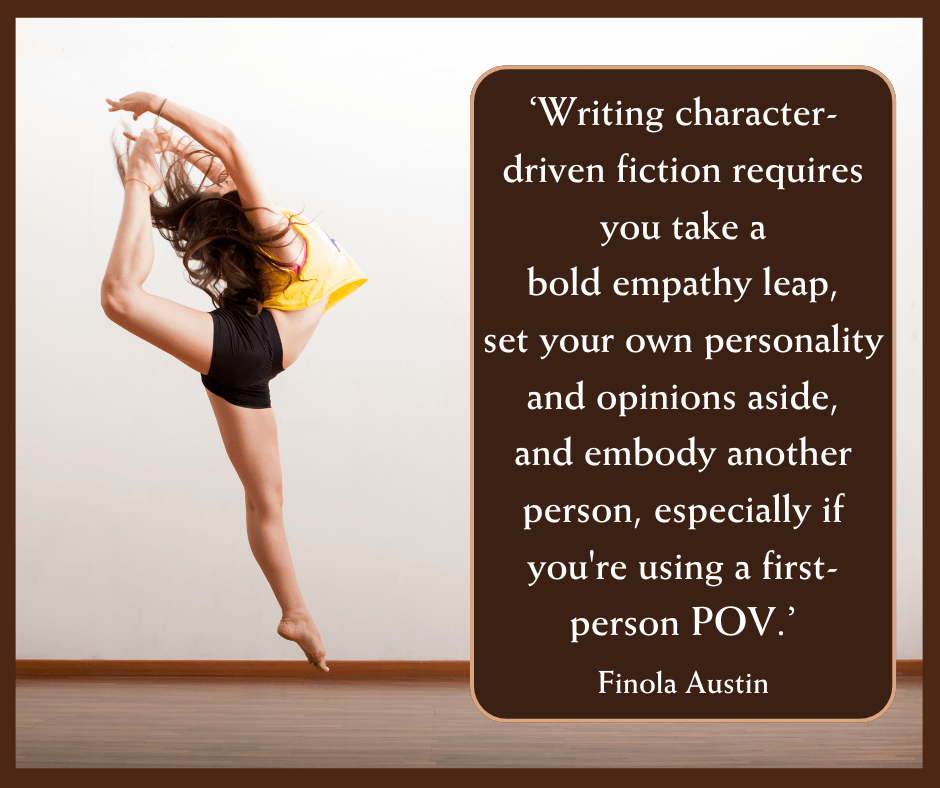
Writing character-driven fiction requires you take a bold empathy leap, set your own personality and opinions aside, and embody another person, especially if you’re using a first-person POV.
Where do you typically begin your research? Do you have a go-to resource? Has there been anything that you’ve researched for your writing over the years that made a huge impact on you or a novel or series that you were writing? That changed how you write or what you write?
This varies widely by project. For Bronte’s Mistress, I started with secondary sources, e.g., scholarly biographies of the Bronte siblings, before turning to primary sources, such as letters, account books, furniture catalogues, gravestones, and census records. When writing about characters who were historical people you have to wrangle messy reality into a satisfying story, but if your characters are fully fictional (as in my latest book) you have more scope for using research as inspiration rather than guardrails or a puzzle you need to solve.
Is there a specific scene that you’ve written over the years that you feel especially connected to? If not a specific scene, a secondary story line that was a favorite to write?
Bronte’s Mistress isn’t a romance (if you know anything about the Brontes, you’ll know their lives contained few “happily ever afters!”), but it does contain romantic and sexual content. I enjoy writing those scenes because of the vulnerability characters display at intimate moments. Just as in other aspects of historical fiction, I want to read and write more realistic sex scenes, including more “bad” sex, that’s consensual but far from mutually satisfying.
As a historical writer, if you could stand witness to a historical event or walk through a specific time / scene / building or have a frank discussion with one historical figure, which would you choose and why?
I’d love to have a front row seat to the French Revolution (as long as I was sure I wouldn’t lose my head to Madame Guillotine.)
What three books do you feel are necessary for any book collection to feel complete? What additional one would you add for an author’s library?
There are no “shoulds” when it comes to reading! But three classic works I’d recommend having to hand are:
Charlotte Bronte’s Jane Eyre
The Works of William Shakespeare
Aeschylus’s Oresteia
For writers let’s throw in a more recent work—Kazuo Ishiguro’s 1989 novel, The Remains of the Day. It’s a masterclass in writing character-driven fiction.
What can you share about what you are writing now? Or an upcoming release?
I’ve been working on a novel inspired by a classic ballet! The novel is written and I’m hoping to be able to share publication news soon.
What was the last great book that you read?
I’ve been loving Tana French’s Dublin Murder Squad series.
Online tickets for the conference are available:
https://historicalnovelsocietyuk.regfox.com/online
Rebekah Simmers is a member of the HNS UK 2024 conference organisation team. Find out about her novel, The King’s Sword, on her website.
 The Historical Novel Society UK 2024 conference
Leave a comment