
In this inaugural HNS UK 2024 blogpost, Elizabeth Loudon asks what is a historical novel and what can a historical novelist legitimately write about.
Living Memory
‘I know this book is about historical events,’ said the editor moderating a book group discussion of my novel, A Stranger In Baghdad, ‘but I don’t think it is a historical novel.’ Everyone nodded in agreement.
‘It must be,’ I protested. ‘The Historical Novel Society just reviewed it!’
Why did they all agree with her? After all, what is a historical novel if not one that’s set in a reconstructed past and that incorporates actual historical events from fifty years ago or more?
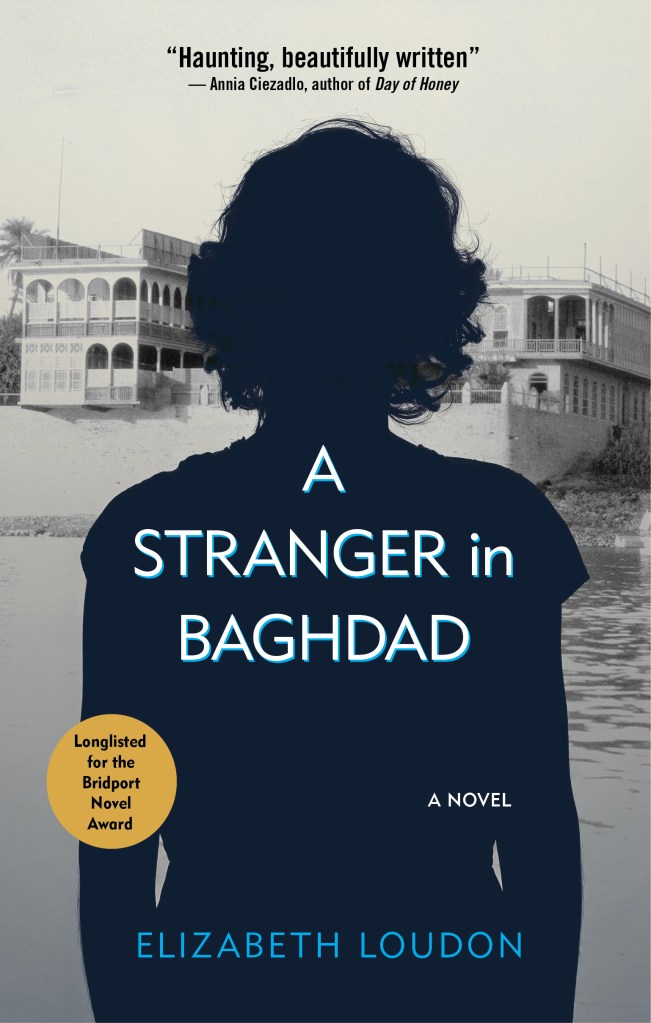
A Stranger In Baghdad meets this definition. Half of the novel takes place between the 1930s and 1950s, and the main action ends in the 1970s. The characters live through the fall of the Iraqi monarchy and the rise of the Baath Party, well-documented actual events. While the focus is on one family, I used a wide enough angle lens to take in seismic political and social changes.
Another hallmark of historical novels is believable, well-researched detail. At their best, they bring the past so close that we can feel its breath on the back of our neck.
Here too, I did what I could. I visited archives and read letters from the long-dead king of Iraq to his former British nanny. In the British Library I studied old maps of Baghdad. I read widely about Iraqi history, from accounts of Gertrude Bell’s creation of the National Museum to privately published memoirs by 1920s missionaries and Iraqi Jewish exiles.
Desk research alone can’t capture the feel of family life in a bustling city, so I tracked down old friends I’d met in Baghdad in the 1970s and befriended others in London. I asked them to make me their favourite recipes and leafed through their photo albums. I interrogated people about wedding customs and family trees, what they wore for an evening out in Baghdad, and who did the housework.
The characters in my novel experience great trauma, and this too I sought to understand. One man gently rolled up his trouser leg to show me the scars of torture. A respectable elderly woman who’s lived in the UK for decades described frankly how she celebrated when the Iraqi royal family were killed in the 1958 coup and their bodies were dragged through the streets. Away with the long shadow of British rule at last! Many spoke of family members who spent years in jail on trumped up political charges.
I was also inspired by narrative non-fiction such as Stasiland, in which Anna Funder used interviews and archival research to peel back the layers of oppression in the former East Germany, and The Bookseller of Kabul by Asne Seierstad, who immersed herself in Afghan family life.
Writers like Funder and Seierstad draw on personal experience to transport us to places where we’d never otherwise go. Isn’t that what historical novels do, with their magical time travel and vivid story telling? And aren’t many historical novels written like close-up memoirs, for example by using fictionalised diaries and letters to make characters feel more immediate and real?
All told, then, A Stranger In Baghdad is a historical novel. Yet I still understood why the book group didn’t think so.
For one thing, modern Iraq hasn’t yet seen itself, or been seen, as an appropriate subject for historical fiction, in the way that London during the Blitz might be. I could find no Iraqi novels about family life in mid-twentieth-century Baghdad. Most Iraqi fiction describes more recent trauma.
That’s not surprising. Iraq itself hasn’t been fully reconstructed, and there’s a lot more reckoning to come, both private and public. People still get into heated debates about the wars and invasions. Violence and devastation still shape people’s lives today.
Novels like mine also raise the question of whether authors have the right to describe experiences so different from their own – a question that novelists writing about a more distant past might be able to dodge. The friends who inspired me to write were forced to emigrate, leaving behind beloved homes and hard-won careers to begin all over again. Is a historical novel really historical if people alive today might dispute its representations and set the record straight?
Luckily A Stranger In Baghdad has so far won the approval of Arab friends and critics. ‘You remember Baghdad better than I do,’ one friend said.
Perhaps, then, historical novels require a new sub-genre: the ‘living memory’ novel. Rooted in research, these novels show the impact on private life of historical events that are still visible in the rear-view mirror.
Isabella Hammad’s The Parisian, which brilliantly covers similar ground to my own book, would be one example. At its time of publication, Paul Scott’s Raj Quartet would have been another. War and Peace would count too: Tolstoy used extensive interviews and primary sources to explore events decades earlier, in living memory but slipping out of reach.
Living memory novels are part of an evolving understanding of the recent past. They might feel more like memoirs than fiction: intimate, reflective, tinged with doubt. They challenge conventional assumptions and show how our own choices and family lives are shaped by events we can still recall.
For me, that’s fertile ground, despite the risks. So fertile, in fact, that as A Stranger In Baghdad makes its way in the world, I’ve begun another living memory novel. It’s set in a very different place, but likewise describes events and tensions well remembered by people today. Let’s hope that it also passes muster as a historical novel. Then I’ll know I’ve done something right.
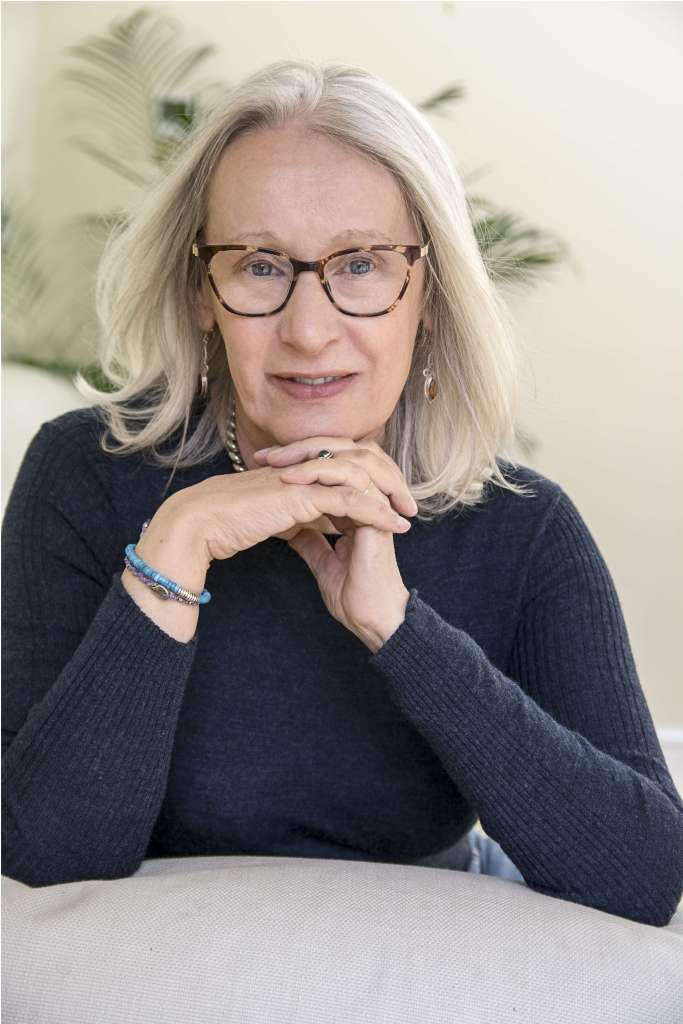
Elizabeth Loudon is a former college lecturer and charity development consultant. She has an MFA from the University of Massachusetts Amherst and an MA in English from Cambridge University, and has taught at Smith, Amherst, and Williams Colleges. She’s published fiction and memoir in the Denver Quarterly, INTRO, North American Review, and Gettysburg Review, among others, and poetry in numerous journals, including The Saranac Review and Southword. A recipient of a Massachusetts Cultural Council Fellowship, she drew on her experiences travelling in Iraq and Lebanon in the 1970s when writing her debut novel, A Stranger in Baghdad. It was longlisted for the Bridport Novel Award and won the Stroud Book Festival Fiction Competition. She divides her time between Gloucestershire and London.
Website: https://www.elizabethloudon.com

 The Historical Novel Society UK 2024 conference
Leave a reply to Alana White Cancel reply