
Rebekah Simmers has been interviewing writers who will be presenting at the HNS UK 2024 conference.
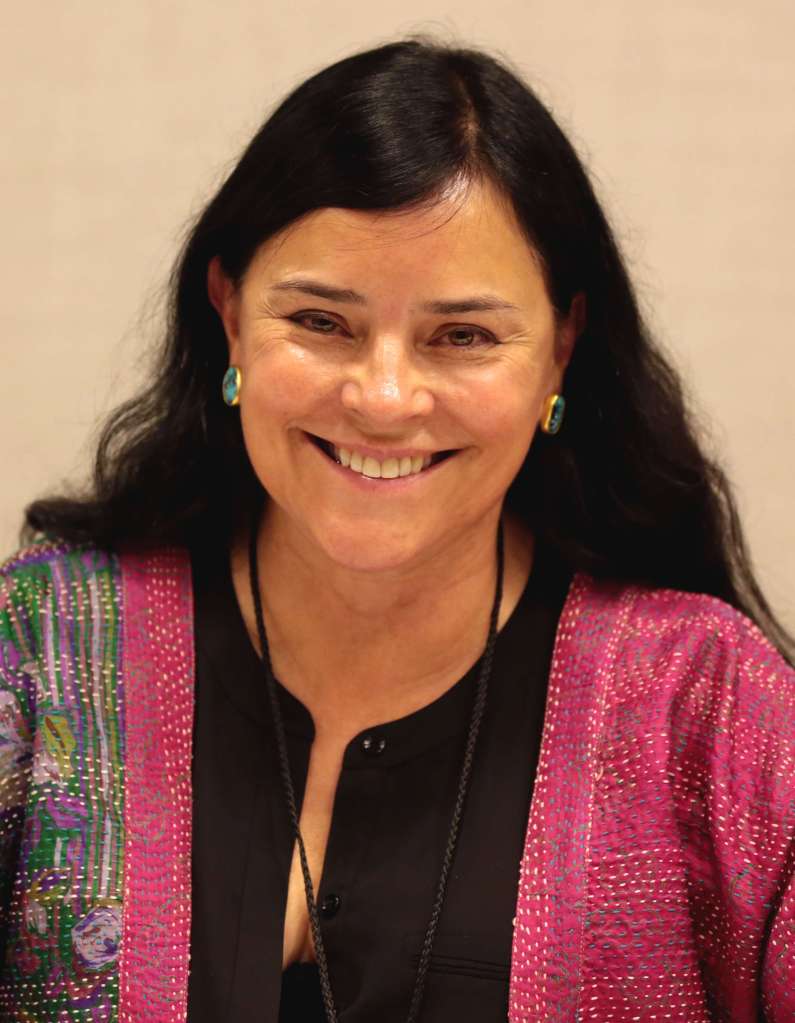
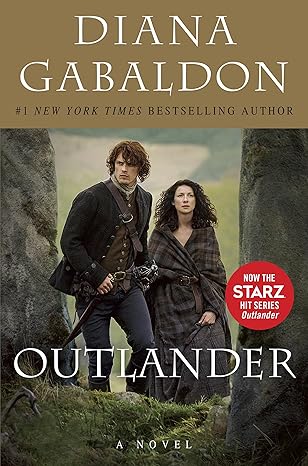
RS: We are so thrilled that you will be joining us for the HNS 2024 UK Conference! What are you looking forward to about the conference?
DG: I’ve never been to this conference, so looking forward to meeting new people and exploring a bit of country where I’ve not been before!
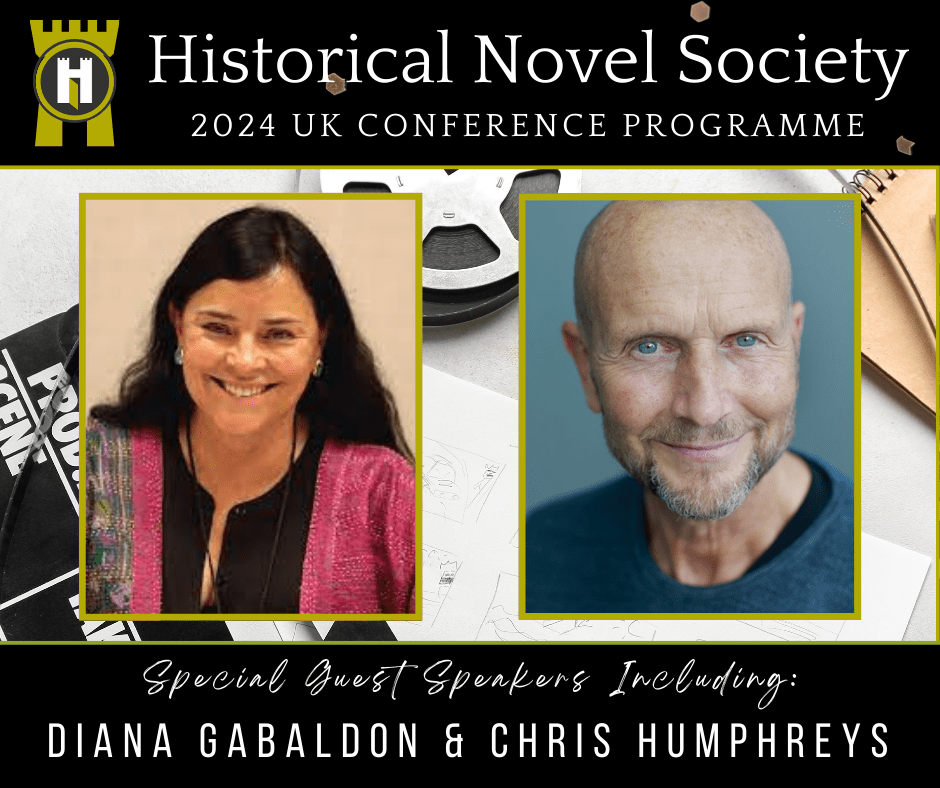
Diana Gabaldon is presenting with Chris Humphreys at the HNS 2024 UK Conference
“Adaptation: Should a Novelist Even Attempt to Adapt Their Work Into Another Medium … or Leave it to the Pros?”
HNS has launched the First Chapters Competition with the conference. I’ve read before that you don’t write linearly – can you share how you decide where and how your own stories should begin?
I don’t; I write where I can see something happening. Eventually, the little pieces floating in my head begin to stick together and form patterns, and then the writing gets—well, not faster nor easier, but I can work more in one place at a time. I do recognize a first line or an ending when one shows up, though!
Your Outlander series has found immense success as novels and on the screen, and seems to keep creatively evolving into new things, such as the conference in Glasgow and now the prequel series as well. Outlander is definitely a world and fandom of its own – how has that affected you creatively? In general? Do you find you are able to separate yourself from the enormity of it all and get back to basic storytelling while writing?
Well, yes; when I’m writing, it’s just me and the book, no matter what is going on around me. The fans, the show, conferences, honorary degrees, the mail and email, etc. are sort of separate phenomena. The writing causes them, but they don’t, in themselves, affect the writing at all.
Regardless of where they come from – from your novels, the shows, or both – your fans often describe you as generous with your time and amount of engagement with them – how do you manage it all? Can you share any strategies you have to keep momentum going / avoid burn out and your various projects organized?
I have a really big laptop (a gaming machine with a beautiful huge screen, a wide keyboard (that lights up in different colors), and a ton of RAM) that accommodates my very ADHD form of writing. I normally have up to a dozen documents open at any given moment: two or three or four (or five…) will be stuff I’m actively working on within the main book of the moment; another will be…um…something like this interview…; another will be an organizational document, either the overall MFILE (for Master File) in which I list all the files for a given novel (the big OUTLANDER novels average about 400 files), with key words and involved characters, to give some hope of finding what I want when I need it, or an interim “thinking” kind of short document called WHAT I KNOW [date], which helps me get my head together when I’ve come back from travel, or been prevented from sustained work by having to do something else, like write or comment on scripts (scripts use their own specialized formatting software, so are handled separately). I also print off every completed file or letter, because I’ve worked with computers faaaaar too long to trust them. Printed stuff goes—sometimes—to a folder, more often to a box (aka “dump”). As long as it’s on paper and in my office, I’ll eventually find it.
From following you on SM, you frequently offer (much appreciated) valuable and varied writing advice in your posts. Looking back on your own writing career, what would you say was the most influential writing advice you received from another author? How have you made that work for you?
I can’t say I’ve ever had any writing advice from another author (well, not helpful advice; cf. “Prologues”, below…). Which is not to say I’ve never picked up anything from another author’s books, because I do that all the time.
Look, writers really don’t have any secrets. Anything we know how to do is right there on the page. All you have to do is learn to see the patterns, and that was luckily not difficult for me—this is also what scientists do, only there you’re needing to collect the basic data yourself.
What do you think it takes to have longevity across a writing career? Sanity? Fun? What’s an unexpected joy that came into your life from such a successful career?
Well, basically, you just don’t stop. As for joy…well, the money’s been nice. Though frankly, the biggest unexpected joy was the TV show. It’s been a great ride!
Where do you typically begin your research? Do you have a go-to resource? Has there been anything that you’ve researched for your writing over the years that made a huge impact on you or a novel or series that you were writing?
Well, I began my research in the library of the university where I worked (I was a scientist in my previous professional incarnation); not much choice in 1988, as the Internet as such didn’t yet exist, and such online resources as did—DARPANET, Genie, CompuServe—weren’t really organized for searchability, though CompuServe proved very valuable over time, as I met a lot of interesting people who could tell me interesting things.
Is there a specific scene that you’ve written over the years that you feel
especially connected to? If not a specific scene, a secondary story line that was a favorite to write?
Well, there’s one line in particular: “People disappear all the time.” (That was not, btw, the first line I wrote. It showed up two or three months into writing, as I recall. I wrote it down, thinking it might be the beginning of a scene, but it didn’t seem to be, so I shrugged, said, “OK, Prologue, then?” and stuck it onto the front of the story. (In spite of endless people online sternly advising each other NOT to write Prologues, as “editors and agents hate them!” and/or “Nobody reads prologues!” (“Oh, I bet they read mine,” I remember thinking, every time I saw something like this. Bolstered not merely by self-confidence <cough>, but by thirty-odd years of reading books, many of them with excellent Prologues.)
What can you share about what you are writing now? Or an upcoming
release?
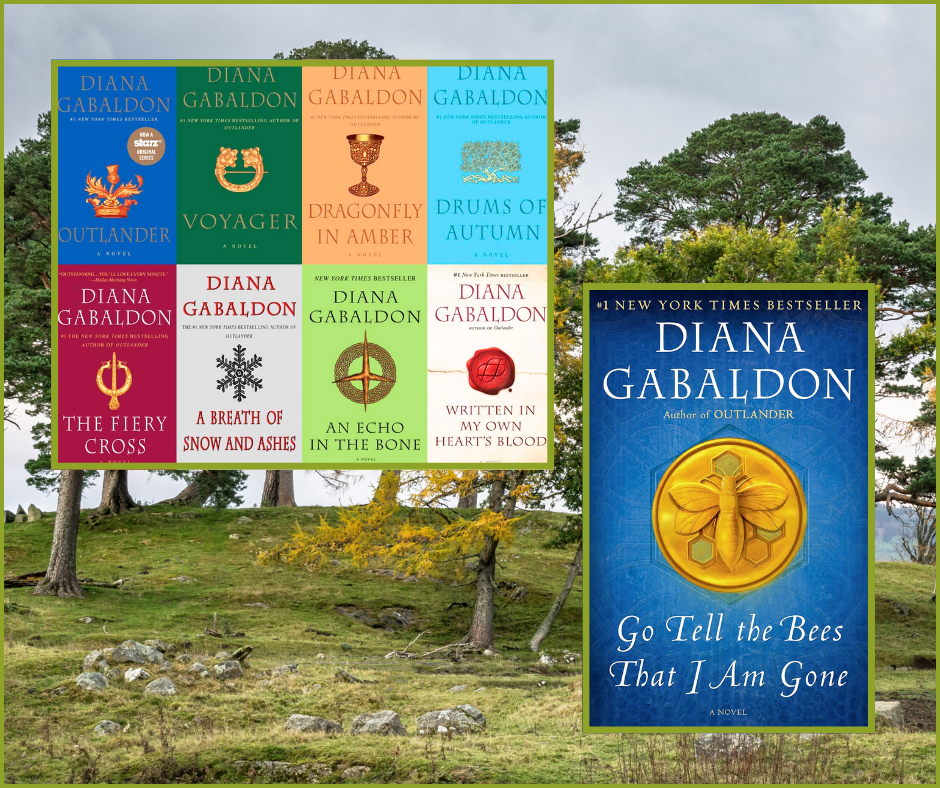
I’m working on Book Ten (I do have a title, but don’t want to release it until we’re fairly close to publication; don’t want to rub all the “new” off it!). Occasionally, I’m working on the first prequel novel (the show is calling their version of this story—written, essentially, from my synopsis of
the book, but with entertaining additions by the show people—“Blood of my Blood”, which is not bad, but I don’t know whether that will be the actual title of the novel or not). And now and then, I’m working on stuff that pops up.
What was the last great book you read?
Just within the last couple of months, Fredrik Backman’s ANXIOUS PEOPLE, for fiction, and for non-fiction, Doug Preston’s THE LOST TOMB. (Mind you, I read All of the Time, and almost anything, so this could be a different answer day after tomorrow….)
Online tickets for the conference are available:
https://historicalnovelsocietyuk.regfox.com/online
Rebekah Simmers is a member of the HNS UK 2024 conference organisation team. Find out about her novel, The King’s Sword, on her website.


Leave a Reply